Is Your Reflow Profile Sabotaging Your PCBs? Optimizing Soldering to Prevent DelaminationAuthor : Colby September 23, 2025Table of ContentsIf you're facing issues like delamination in your printed circuit boards (PCBs) during assembly, your reflow profile might be the culprit. A poorly optimized reflow soldering process can cause thermal stress, moisture-related damage, and layer separation, leading to costly rework or product failures. In this blog, we'll dive deep into how reflow soldering delamination occurs, the importance of thermal profiling in PCB assembly, and actionable steps for preventing delamination during surface mount technology (SMT) processes. We'll also cover challenges with lead-free soldering and tips for reflow oven optimization for PCB reliability.
What Is Reflow Soldering Delamination and Why Should You Care?Reflow soldering is a critical step in SMT assembly where solder paste is melted to create strong electrical and mechanical connections between components and the PCB. However, if the thermal profile—the temperature ramp-up, soak, peak, and cooling phases—isn't carefully controlled, it can lead to delamination. This is when layers of the PCB, such as the copper foil and substrate, separate due to stress or trapped moisture expanding under heat. Delamination isn't just a cosmetic issue; it compromises the structural integrity of the board, disrupts electrical performance, and can cause complete failure in high-reliability applications like automotive or medical devices. Studies suggest that up to 10-15% of PCB failures in SMT assembly can be traced back to thermal stress or moisture-related issues during reflow soldering. Understanding and optimizing your reflow profile is key to preventing these costly defects.
Common Causes of Reflow Soldering DelaminationTo prevent delamination, it’s crucial to understand what causes it in the first place. Here are the primary factors tied to reflow soldering: 1. Moisture Absorption in PCB MaterialsPCBs, especially those made from FR4 material, can absorb moisture from the environment during storage or handling. When exposed to the high temperatures of reflow soldering (often exceeding 220°C for lead-free solder), this moisture turns into vapor and expands. If the pressure builds up faster than it can escape, it forces the layers apart, causing delamination. Research indicates that FR4 boards with moisture content above 0.2% are at significant risk during reflow. 2. Improper Thermal Profiling in PCB AssemblyA reflow profile with rapid temperature changes or uneven heating can create thermal stress. For instance, if the preheat phase is too short, the board doesn't have time to stabilize, leading to uneven expansion. Similarly, a peak temperature that's too high—say, above 260°C for standard FR4—can degrade the epoxy resin, weakening the bond between layers. 3. Lead-Free Soldering PCB IssuesLead-free soldering, mandated by regulations like RoHS, requires higher reflow temperatures (typically 235-260°C) compared to traditional leaded solder (around 180-200°C). These elevated temperatures increase the risk of thermal shock and delamination, especially in multilayer or rigid-flex PCBs where different materials expand at different rates. 4. Poor Material Selection or Design FlawsLow-quality laminates or substrates with weak adhesion properties are more prone to delamination. Additionally, designs with inadequate via spacing or insufficient solder mask coverage can trap moisture or create stress points during reflow.
The Role of Thermal Profiling in Preventing Delamination During SMTThermal profiling is the process of monitoring and adjusting the temperature curve of a PCB as it passes through the reflow oven. A well-designed profile ensures that the board heats and cools at a controlled rate, minimizing stress and preventing delamination. Here's how to approach thermal profiling for PCB assembly: Key Phases of a Reflow Profile
Why Precision MattersEven a small deviation in these parameters can lead to issues. For example, a ramp rate exceeding 3°C per second in the preheat phase can cause thermal shock, while a TAL longer than 60 seconds might degrade the PCB material. Using a thermal profiler—a device with thermocouples attached to the PCB—can help measure and fine-tune these parameters for consistency across batches.
Lead-Free Soldering PCB Issues and How to Mitigate ThemLead-free soldering poses unique challenges due to its higher melting point and reduced wettability compared to traditional solders. These factors amplify the risk of delamination and other defects. Here’s how to address lead-free soldering PCB issues: Adjusting Reflow Profiles for Higher TemperaturesSince lead-free solders like SAC305 require peak temperatures of 235-250°C, ensure your reflow oven can maintain precise control at these levels. Extend the soak phase slightly (up to 120 seconds) to allow the board to stabilize before reaching peak temperature. Using Nitrogen AtmospheresA nitrogen atmosphere in the reflow oven reduces oxidation of the solder and improves wettability, which can lower the risk of defects. While this increases operational costs, it’s often worth considering for high-reliability applications. Selecting Compatible MaterialsChoose PCB substrates and components rated for higher temperatures. For instance, high-Tg (glass transition temperature) FR4 materials with Tg values above 170°C are better suited for lead-free processes than standard FR4 with a Tg of 130-140°C.
Reflow Oven Optimization for PCB ReliabilityOptimizing your reflow oven settings and maintenance routines is just as important as designing the thermal profile. Here are practical steps to enhance PCB reliability: 1. Regular Calibration and MaintenanceEnsure the oven’s temperature zones are calibrated weekly or after every major production run. Uneven heating across zones can create hot spots, increasing the risk of delamination. Clean the oven regularly to remove flux residue that could affect heat distribution. 2. Use of Convection Ovens for Uniform HeatingModern convection reflow ovens provide better heat distribution compared to older infrared models. They use forced air to maintain consistent temperatures across the board, reducing thermal gradients that cause stress. 3. Batch Testing with Dummy BoardsBefore running a full production batch, test your reflow profile on a dummy board with attached thermocouples. This helps identify any anomalies in temperature distribution or ramp rates specific to your setup.
Additional Tips for Preventing Delamination During SMTBeyond thermal profiling and oven optimization, consider these strategies to further reduce delamination risks: Proper Storage and HandlingStore PCBs in a controlled environment with low humidity (below 50% RH) and use moisture barrier bags with desiccants. Bake boards at 120°C for 2-4 hours before reflow if they’ve been exposed to humid conditions for over 24 hours. Design ConsiderationsIncorporate moisture escape paths in your PCB design, such as additional vias or reduced copper fill in areas prone to trapping vapor. Ensure solder mask coverage is uniform to prevent exposed areas from absorbing moisture. Quality Control and InspectionImplement post-reflow inspection using techniques like X-ray imaging or acoustic microscopy to detect early signs of delamination. Catching issues early can prevent defective boards from reaching the end customer.
Conclusion: Take Control of Your Reflow ProcessDelamination during reflow soldering is a preventable issue if you take the time to optimize your thermal profile, address lead-free soldering challenges, and maintain your reflow oven for consistent performance. By focusing on moisture control, precise thermal profiling in PCB assembly, and robust design practices, you can significantly enhance PCB reliability and reduce costly defects. Start by reviewing your current reflow profile and storage practices. Small adjustments, like extending the preheat phase or baking boards before assembly, can make a big difference in preventing delamination during SMT. With the right approach, you’ll ensure your PCBs withstand the rigors of modern manufacturing and deliver reliable performance in every application. Share · · · · The Role of Flux in PCB Wave Soldering: Selection, Application, and Residue RemovalMarch 16, 2026PCB wave soldering flux types include rosin, water-soluble, and no-clean options with varying activity levels for oxide removal and solder flow. This guide covers selection criteria, spray foam drop-jet application methods, residue removal processes, and alternatives like nitrogen blanketing to boost joint reliability and yields for engineers. Article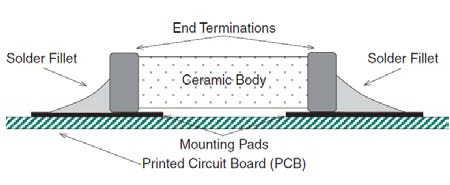 Achieving Uniform Solder Fillets in PCB Wave Soldering: Process ControlMarch 16, 2026Achieve uniform solder fillets in PCB wave soldering with process control strategies. Optimize flux, preheat, wave height, conveyor speed for consistent fillet shape, height, and wetting balance. Includes visual inspection tips and troubleshooting for reliable through-hole assemblies. Boost quality in production. Article Optimizing Conveyor Speed for Efficient PCB Wave SolderingMarch 16, 2026Learn PCB wave soldering conveyor speed calculation to manage dwell time, immersion depth, and throughput effectively. Electric engineers get practical steps, best practices, and troubleshooting tips for higher process efficiency and fewer defects in wave soldering operations. Article Understanding IPC Standards for PCB Surface Finishes: Ensuring Quality and ComplianceMarch 11, 2026Understand IPC standards IPC 4552 ENIG and IPC 4553 immersion silver for PCB surface finishes. Ensure compliance, enhance solderability, and prevent common defects to achieve reliable, high quality circuit boards. Article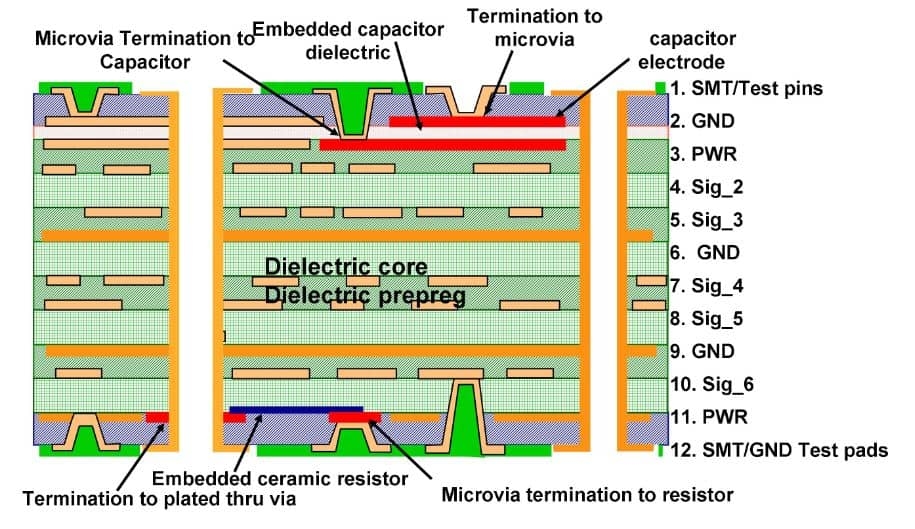 Miniaturization Challenges in PCB AssemblyMarch 11, 2026Navigate the complexities of high density interconnect PCB assembly and precise component placement. Learn to tackle miniaturization challenges, from tiny part handling to thermal stress, ensuring robust and reliable electronics. Article High Speed Routing Techniques: PCBMarch 11, 2026Master high speed routing in PCBs to ensure signal integrity and minimize electromagnetic interference. Learn essential techniques for robust designs, from controlled impedance to differential pair strategies. Prevent performance issues and achieve reliable electronics. ArticleGet Instant PCB |